How an Elderly Safety Alarm Can Bring Peace of Mind to Families
When my grandmother moved into her own place after my grandfather passed, we all felt that familiar knot of worry. She was fiercely independent, but at 84, the risk of a fall or a sudden health issue was real. We called her every day, but the hours between calls felt long. That is when we started looking into what an elderly safety alarm could actually do for her and for us.
For years, the idea of a medical alert system felt like a surrender to age, a admission that she could no longer manage on her own. But the reality is far more practical. The right system is not about giving up independence. It is about extending it. An elderly safety alarm, when chosen carefully, becomes a tool that allows seniors to keep living on their own terms, while giving families a reliable way to stay connected and informed.
What a Good Safety Alarm Actually Does
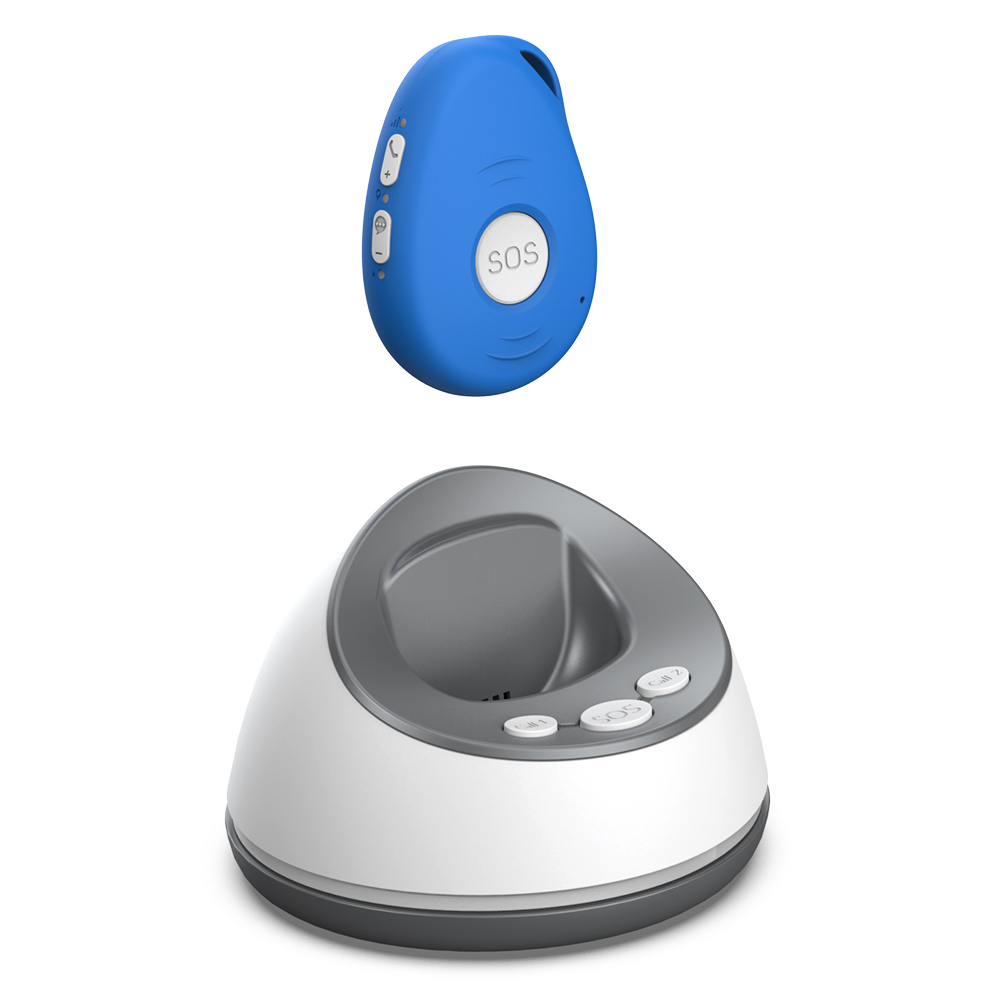
The basic idea is simple: a button you press when you need help. But the technology has moved well beyond that. Modern systems include fall detection, which is crucial because many seniors cannot press a button after a fall. They may be unconscious, disoriented, or unable to reach the pendant. A system that automatically detects a fall and calls for help can mean the difference between a quick response and hours of lying on the floor.
GPS tracking is another feature that sounds like overkill until you need it. For a senior who still drives or enjoys walking in the neighbourhood, knowing that help can locate them anywhere is a huge relief. I have a friend whose father, in the early stages of dementia, wandered off during a family barbecue. They found him two blocks away, confused, but the GPS on his pendant would have brought help to him instantly.
Two-way calling is the feature that often gets overlooked. A one-way alert sends a signal, but the monitoring service cannot talk to the person who pressed the button. With two-way calling, a trained operator can speak through the pendant, assess the situation, and decide whether to send an ambulance, call a family member, or just reassure the person that help is on the way. That human voice on the other end can be incredibly calming in a moment of panic.

Why Families Hesitate and Why They Shouldn’t
The biggest barrier I hear from other families is the fear of overreacting. “What if she presses the button by accident?” or “He will never wear it, he says it makes him look old.” These are real concerns, but they have practical solutions. Modern pendants are designed to be discreet. They look like a piece of jewellery or a small watch. Some can be worn as a belt clip or even around the neck under clothing.
As for false alarms, most systems have a cancellation feature. If the button is pressed accidentally, the user can cancel the call within a few seconds. And if they do not cancel, the monitoring service will call back to confirm. The risk of a false alarm causing a big disruption is actually very low.
The bigger risk is not having the system at all. I have seen families wait until after a serious incident to get one, and by then the damage is done. A broken hip, a head injury, or a stroke that goes unnoticed for hours can change a person’s life permanently. The cost of the alarm is tiny compared to the cost of a hospital stay or the emotional toll of a preventable tragedy.
How to Choose the Right System
Not all elderly safety alarm systems are created equal. Here are a few things to consider when shopping for one:
- Range and coverage: Does it work only inside the home, or does it include outdoor and roaming GPS coverage? Think about where the senior spends their time.
- Battery life and charging: Some pendants need charging every night, others last for months. A device that requires daily charging is easy to forget, and a dead battery is useless.
- Fall detection accuracy: Look for systems that use multiple sensors, not just a single accelerometer. The best ones can distinguish between a fall and a sudden movement like bending over or sitting down quickly.
- Monitoring service quality: Who answers the call? Is it a local call centre with trained staff, or a distant automated service? A local team will know the area and the emergency services available.
- Family notification features: Can family members be alerted when an alarm is triggered? Some systems allow you to receive a text or app notification, so you know what is happening even if you are not the first responder.
Every family has different needs, so take the time to match the system to the person. A very active senior who still travels may need a different setup than someone who rarely leaves the house.
The Emotional Side of the Decision
What surprised me most was how my grandmother felt about the alarm after the first week. She stopped seeing it as a burden and started seeing it as a safety net. She told me, “I can water the garden without worrying about slipping. I can take the stairs if I feel steady.” The device gave her permission to keep doing the things she loved, because she knew help was a button press away.
Connect with us on YouTube.
For the family, the peace of mind is real. I no longer spend the drive to her house rehearsing what I will do if she does not answer the door. I can call her and know that if something were wrong, the system would alert us. It shifts the dynamic from constant worry to quiet confidence.
Practical Tips for Getting Started
If you are considering an elderly safety alarm for a loved one, here is a practical approach:
- Talk to them early, before an incident happens. Frame it as a tool for independence, not a sign of decline.
- Let them try it for a week before making a final decision. Most companies offer a trial period.
- Set up the system together and test it. Make sure they know how to press the button and what will happen when they do.
- Involve the whole family. If siblings or children are part of the care network, make sure everyone knows how the system works and who gets notified.
The goal is not to replace human connection with technology. The goal is to use technology to support the human connection that already exists. A good safety alarm does not take away the need for regular visits, phone calls, or shared meals. It just makes those moments easier and less anxious.

Wrapping Up
Choosing an elderly safety alarm is a personal decision that depends on the individual’s lifestyle, health, and home environment. But for most families, the investment is well worth it. It reduces the strain on caregivers, protects the senior from prolonged emergencies, and preserves the dignity of independent living.
For those in New Zealand looking for a reliable option, Familyr provides personal medical alarms for seniors with SOS, GPS, fall detection, and family-monitored two-way calling. They are based at 14 Grand View Road, Remuera, Auckland 1050, New Zealand, and can be reached at +64 9 872 0345. Their service is designed to keep seniors safe while giving families the reassurance they deserve.